Tracing How Expiration Timelines on Introductory Credits Alter Blackjack Choices in App-Based Casino Platforms
Jakob Schmitz · Jun 14, 2026
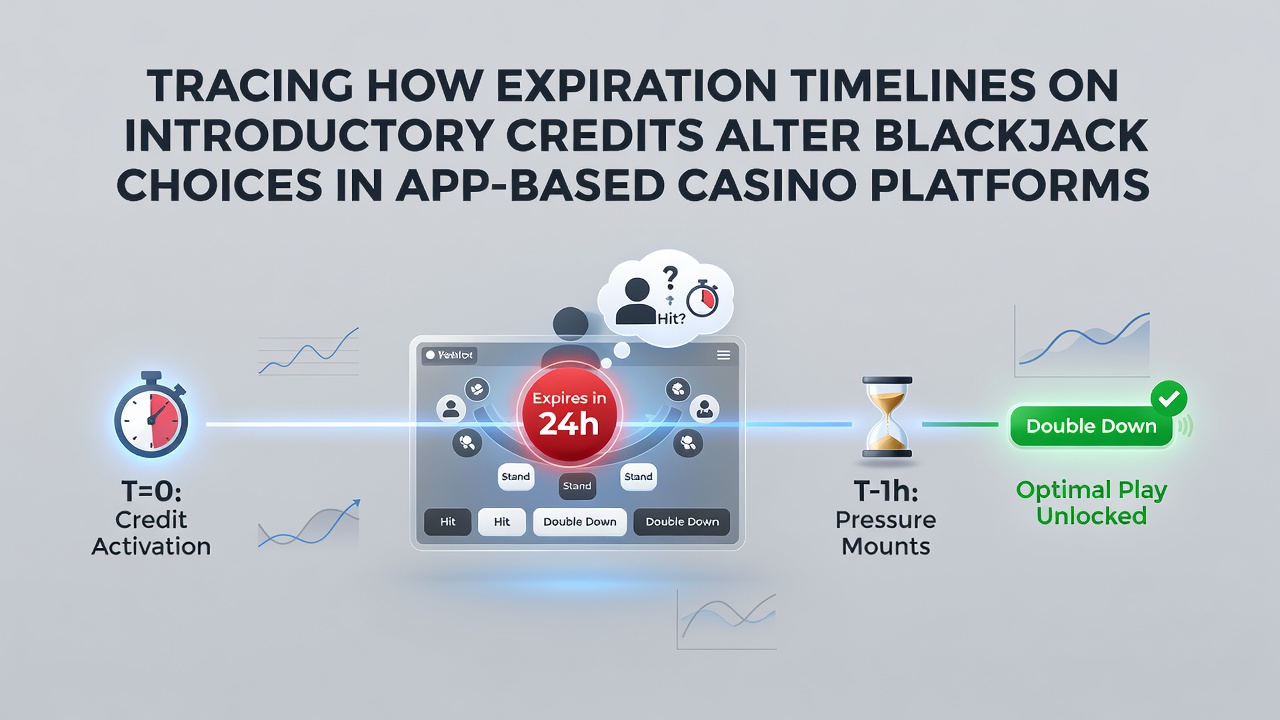
Introductory credits in app-based casino platforms typically arrive with defined expiration windows that range from 24 hours to seven days, and these timelines directly shape player decisions during blackjack rounds. Observers note that shorter windows prompt quicker hand selections while longer periods allow more measured approaches aligned with standard strategy charts. Data from platform analytics firms shows increased hit frequencies on marginal hands when expiration draws near because users seek to extract value before credits vanish.Mechanics of Credit Activation and Countdowns
App platforms activate introductory credits immediately upon deposit or registration, after which the countdown begins regardless of whether the player has started a session. This setup means credits tied to a 48-hour window require users to complete wagering within that span or forfeit remaining balances. Studies from industry research groups indicate that blackjack players adjust their session lengths accordingly, often extending play into late hours to meet thresholds. Those who monitor timers closely tend to select tables with faster deal speeds to maximize rounds before deadlines hit.
Expiration rules also interact with game-specific multipliers, where blackjack hands might contribute at reduced rates compared to other titles. Users therefore recalculate required hands based on remaining time, and this leads some to favor higher-stakes tables even when bankrolls suggest otherwise. Figures released by regulatory bodies such as the New Jersey Division of Gaming Enforcement reveal steady growth in mobile blackjack volume during promotional periods ending in June 2026, with notable spikes in activity during final 12-hour windows.
Observed Shifts in Blackjack Decision Patterns
Analyses of user behavior logs demonstrate clear deviations from basic strategy when expiration looms. Players increase insurance bets on dealer aces more frequently in the last hours, and they stand on stiff hands like 15 or 16 against strong dealer upcards at higher rates than usual. These adjustments occur because the pressure to deplete credits overrides long-term expected value calculations.
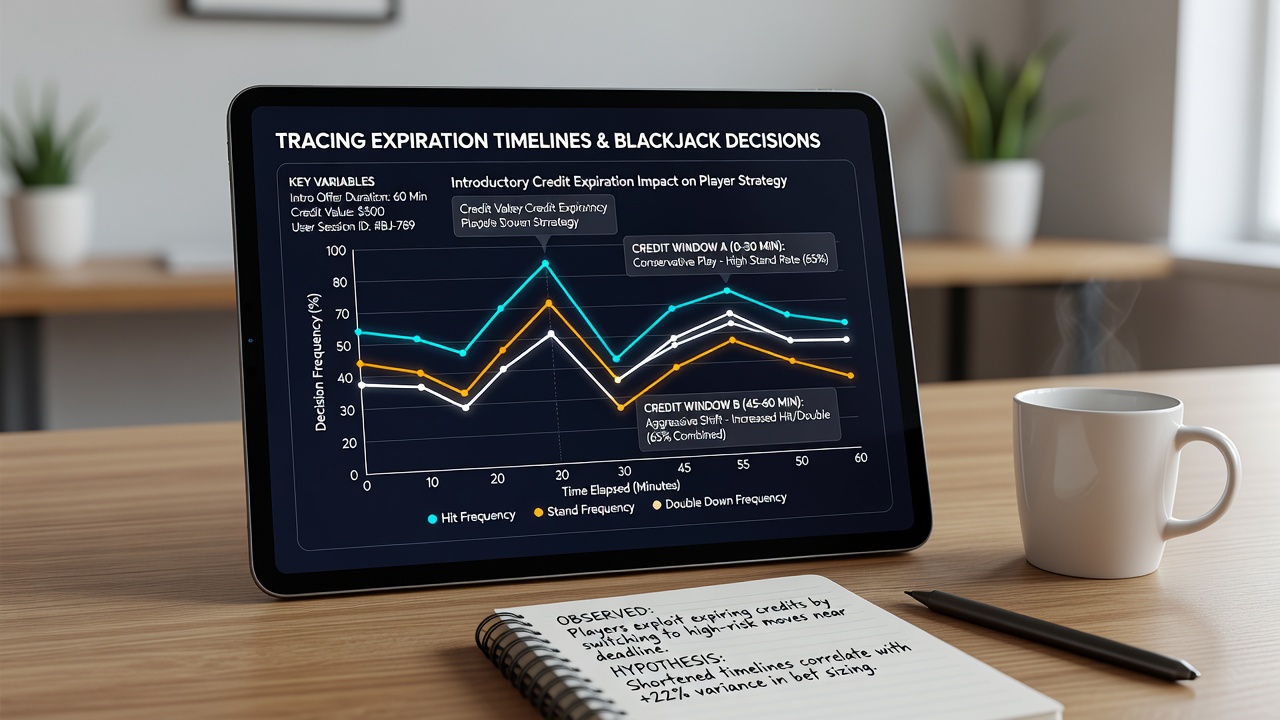
One documented pattern involves splitting pairs earlier than recommended, particularly when credits sit at low balances near the cutoff. Researchers tracking thousands of sessions found split rates rising by measurable margins in the final quarter of expiration periods. This behavior stems from attempts to stretch limited funds across more hands before access ends. Platforms in regions like Australia report similar trends through data shared by state gaming authorities, highlighting how mobile interfaces make timers constantly visible and heighten awareness of remaining time.
Platform Variations and User Responses
Different apps implement expiration mechanics in distinct ways, with some pausing timers during inactive periods while others maintain continuous countdowns. Users respond by logging in at activation and maintaining steady play rates to avoid surprises. Those monitoring multiple platforms often prioritize ones with flexible extensions, and this choice alters overall session distribution across the market. Evidence from academic reviews of digital gambling patterns shows that clear expiration displays correlate with more conservative early-session play followed by aggressive late-session adjustments.
June 2026 brought updates to several major apps that introduced grace periods of up to two hours after initial expiration, and these changes slightly reduced the intensity of last-minute decision shifts. Yet core patterns persist because most credits still enforce hard cutoffs. Industry organizations such as the American Gaming Association track these modifications through member reports and note ongoing effects on average hands per session during promotional windows.
Regulatory Context and Data Tracking
Regulators in multiple jurisdictions require transparent disclosure of expiration terms, and this mandates that apps display remaining time prominently during active play. Compliance data indicates that clearer notifications lead to fewer disputes over forfeited credits, though they also make timeline pressure more explicit to users. Observers tracking app updates through mid-2026 found that platforms incorporating countdown alerts within the game interface see higher compliance with wagering rules but also more pronounced strategy adaptations near deadlines.
Conclusion
Expiration timelines on introductory credits continue to influence blackjack choices across app-based platforms by creating time-bound incentives that shift hand selections and bet sizing. Platform mechanics, regulatory requirements, and user monitoring habits all contribute to these patterns, with data through June 2026 confirming persistent adjustments during final hours of availability. As apps refine their systems, the core dynamic between credit deadlines and decision-making remains a measurable factor in session outcomes.