Tiered Loyalty Multipliers Drive Retention Cycles in Mobile Blackjack Environments
Sofia Fischer · Jul 9, 2026
Tiered Loyalty Multipliers Drive Retention Cycles in Mobile Blackjack Environments
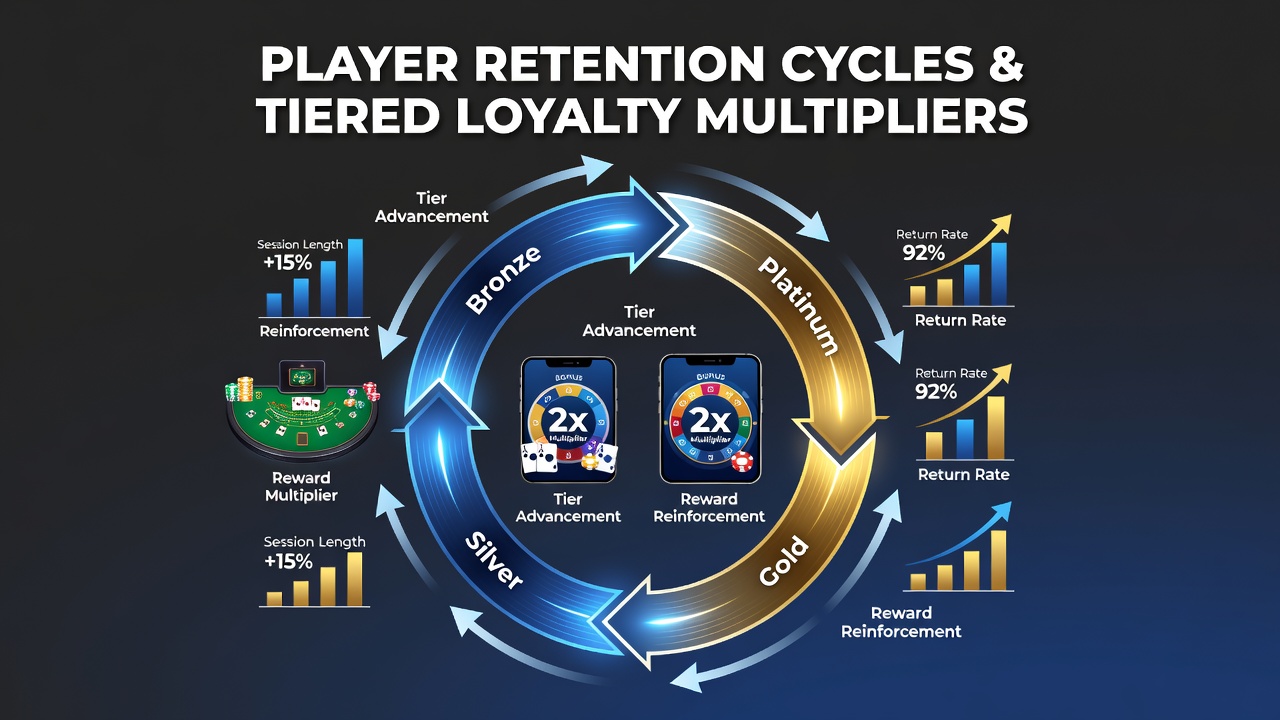
Player retention in mobile blackjack environments often hinges on structured loyalty programs that apply tiered multipliers to reward points, where base accumulation rates increase as users advance through bronze, silver, gold, and platinum levels. These multipliers typically range from 1x at entry tiers to 3x or higher at premium levels, creating incentives that encourage repeated sessions and extended play periods across digital platforms operating under state and provincial regulations. Data from industry reports shows that platforms implementing these systems experience measurable shifts in session frequency, with users at higher tiers demonstrating longer average play durations compared to those at base levels.
Mechanics of Tiered Multiplier Systems
Operators structure these programs so that each tier multiplies the points earned per wager, which in turn accelerates progression toward redemption thresholds for bonuses, free spins, or cashback in blackjack formats. Mobile applications track these calculations in real time through backend algorithms that adjust point values based on current tier status, while also factoring in daily login streaks and weekly volume targets. Research from the American Gaming Association indicates that such layered reward structures correlate with reduced churn rates during promotional windows, as players work toward maintaining or upgrading their tier status before reset periods occur at month or quarter ends.
Blackjack variants on these apps often integrate multiplier effects directly into decision interfaces, displaying potential point gains alongside standard hand outcomes. Users at silver tiers, for instance, receive 1.5x points on all wagers, whereas gold tier members see 2x rates that compound with additional volume bonuses. This setup generates predictable retention cycles where activity peaks align with tier qualification deadlines, followed by maintenance phases once multipliers stabilize at elevated rates.
Observed Retention Cycle Patterns
Analyses of user behavior data reveal distinct cycles lasting approximately four to six weeks, during which players ramp up activity to qualify for the next tier before settling into steadier engagement once multipliers activate. July 2026 figures from multiple North American platforms highlighted increased session counts among tiered users, particularly in markets where mobile blackjack accounts for over 40 percent of digital gaming revenue. These patterns emerge because higher multipliers effectively lower the perceived cost of play, prompting participants to extend sessions to maximize accumulated rewards before expiration timers on bonus credits activate.
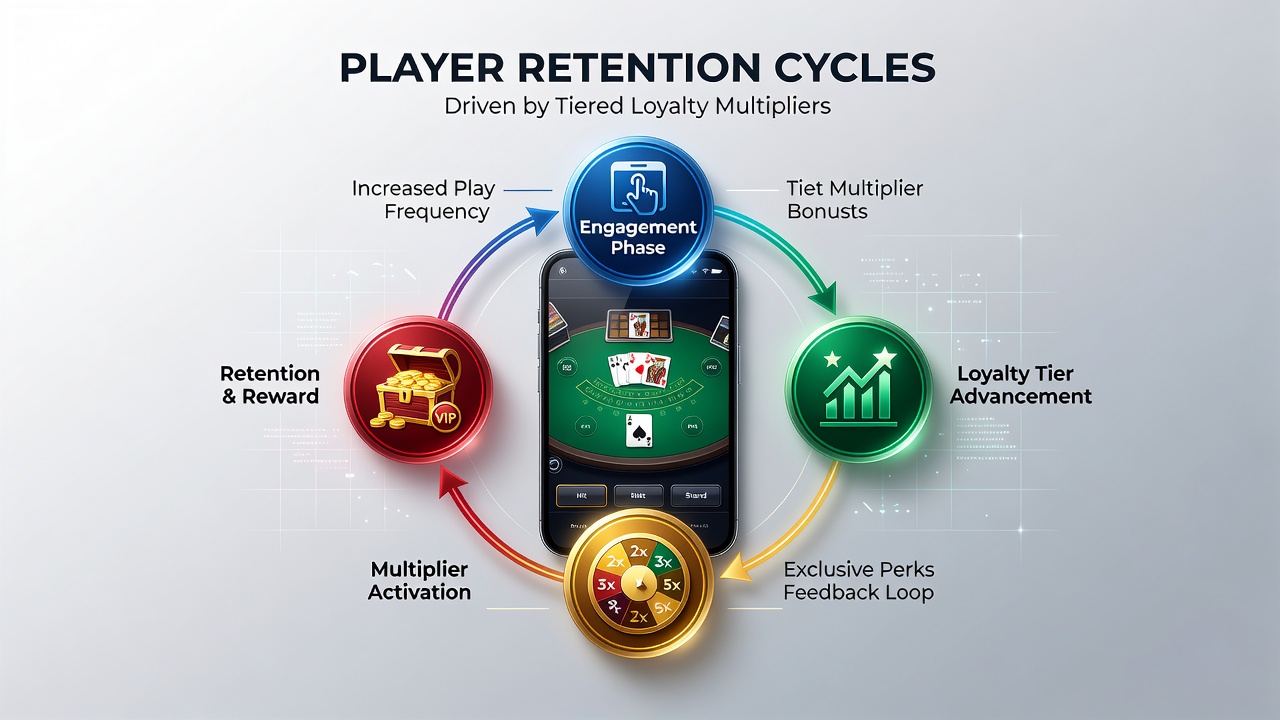
Platforms in regulated jurisdictions such as New Jersey and Ontario document similar trends through anonymized telemetry, where tier advancement correlates with a 25 to 35 percent lift in weekly active users according to internal metrics shared with regulatory bodies. Retention cycles further intensify when multipliers interact with time-limited events, such as weekend double-point promotions that push players toward higher tiers faster. Observers note that churn spikes often follow tier resets, yet re-engagement campaigns leveraging personalized multiplier previews help stabilize return rates within days of the new cycle beginning.
Integration With Mobile Platform Features
Mobile blackjack environments leverage push notifications and in-app progress trackers to highlight multiplier benefits, directing users toward actions that sustain their current tier or unlock the next one. These notifications typically reference remaining point requirements and projected rewards, which studies from Canadian research institutions link to higher conversion from casual to committed play. The systems also adjust dynamically based on regional rules, ensuring compliance with wagering limits while still delivering the psychological pull of accelerated rewards.
One documented approach involves combining tier multipliers with streak bonuses that grant temporary 0.5x boosts after consecutive daily sessions, creating compound effects that lengthen retention cycles. Data indicates that players exposed to these combined mechanics complete more hands per session on average, since each outcome contributes more substantially to long-term tier maintenance. Platforms operating under frameworks from the Malta Gaming Authority have reported comparable outcomes, where structured multiplier visibility in user interfaces supports sustained engagement without violating transparency requirements.
Comparative Performance Across Jurisdictions
Retention metrics vary by market due to differences in regulatory caps on promotional structures, yet tiered multipliers consistently appear as a core driver in jurisdictions permitting them. Australian regulatory summaries from 2025 through mid-2026 show elevated retention among mobile blackjack users when multipliers scale with verified play volume, while European platforms outside the UK apply similar models under local licensing that emphasize responsible gaming disclosures. These variations produce distinct cycle lengths, with stricter markets seeing shorter qualification windows that compress activity into tighter bursts before tier stabilization occurs.
Industry organizations tracking cross-border trends have compiled datasets demonstrating that multiplier-driven retention outperforms flat-rate loyalty models by measurable margins in head-to-head platform comparisons. The reality is that players respond to visible progression mechanics by adjusting session timing and wager sizing to optimize point accumulation, which in turn feeds back into longer overall platform lifecycles.
Conclusion
Tiered loyalty multipliers continue to shape retention cycles in mobile blackjack environments through predictable mechanisms that align player advancement with sustained activity. Regulatory data and platform analytics confirm their role in modulating session frequency and duration across multiple markets, with effects most pronounced during qualification and reset phases. As mobile platforms refine these systems in response to evolving compliance standards, the underlying cycle patterns remain a central element of digital blackjack operations.