Reward Milestone Shifts and Their Influence on Variance Handling Curves During Extended Regulated Digital Twenty-One Sessions
Jakob Schmitz · Aug 6, 2026
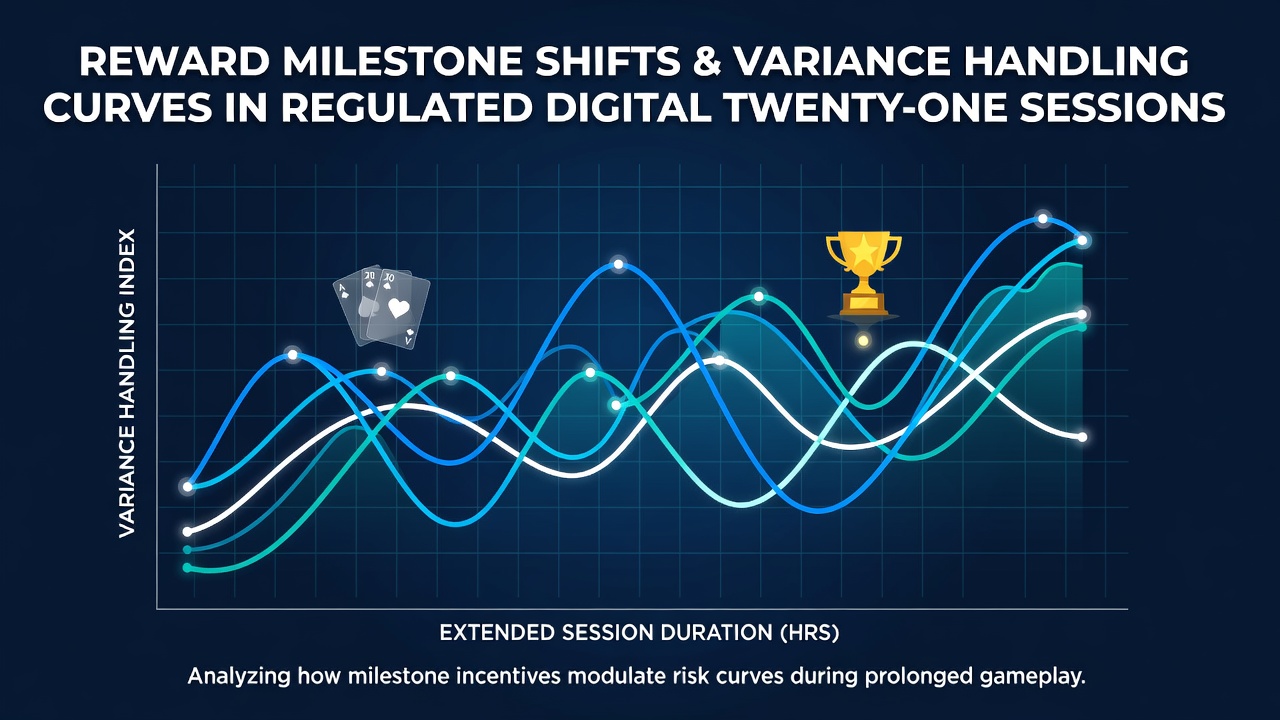
Reward Milestone Shifts and Their Influence on Variance Handling Curves During Extended Regulated Digital Twenty-One Sessions
Regulated digital twenty-one platforms track player progress through tiered reward structures that unlock at specific point thresholds, and these milestones often coincide with measurable changes in how participants adjust their exposure to outcome variance during prolonged sessions. Data from multiple licensed operators indicates that once players cross certain accumulation levels, bet sizing patterns shift in ways that alter the standard deviation curves of session results, particularly in jurisdictions where real-time analytics monitor both loyalty metrics and wagering activity.
Milestone Activation and Initial Adjustments
Operators in controlled markets record loyalty points through automated systems that trigger tier advancements at predetermined volumes, and observers note that these advancements frequently prompt participants to recalibrate their risk parameters. Research from academic sources shows players tend to increase average bet sizes after reaching mid-tier rewards while simultaneously extending session durations, a combination that modifies the slope of variance handling curves over time. According to figures released by the Nevada Gaming Control Board in quarterly summaries, extended sessions in digital formats exhibit greater dispersion once milestone incentives activate because the perceived value of continued play rises with accumulated benefits.
Take one analysis of multi-state data where researchers examined thousands of sessions across platforms: variance metrics widened after the 5,000-point threshold because participants reduced the frequency of conservative plays and incorporated more aggressive doubling or splitting decisions tied to bonus eligibility. Yet the same datasets reveal that variance curves flatten again near higher milestones when players lock in cashback percentages or reduced rake structures, creating a non-linear pattern that repeats across different regulatory environments.
Session Duration Effects on Curve Dynamics
Extended play periods in regulated digital twenty-one environments amplify the impact of these shifts because cumulative point totals accumulate steadily, and this steady accumulation alters decision trees at each hand. Studies compiled by the Australian Gambling Research Centre demonstrate that sessions exceeding three hours show distinct inflection points in variance once reward milestones are crossed, with participants demonstrating tighter adherence to bankroll preservation tactics immediately after unlocking new tiers. The reality is that these adjustments do not eliminate variance but redistribute it across a longer time horizon, producing smoother equity lines in aggregate reporting.
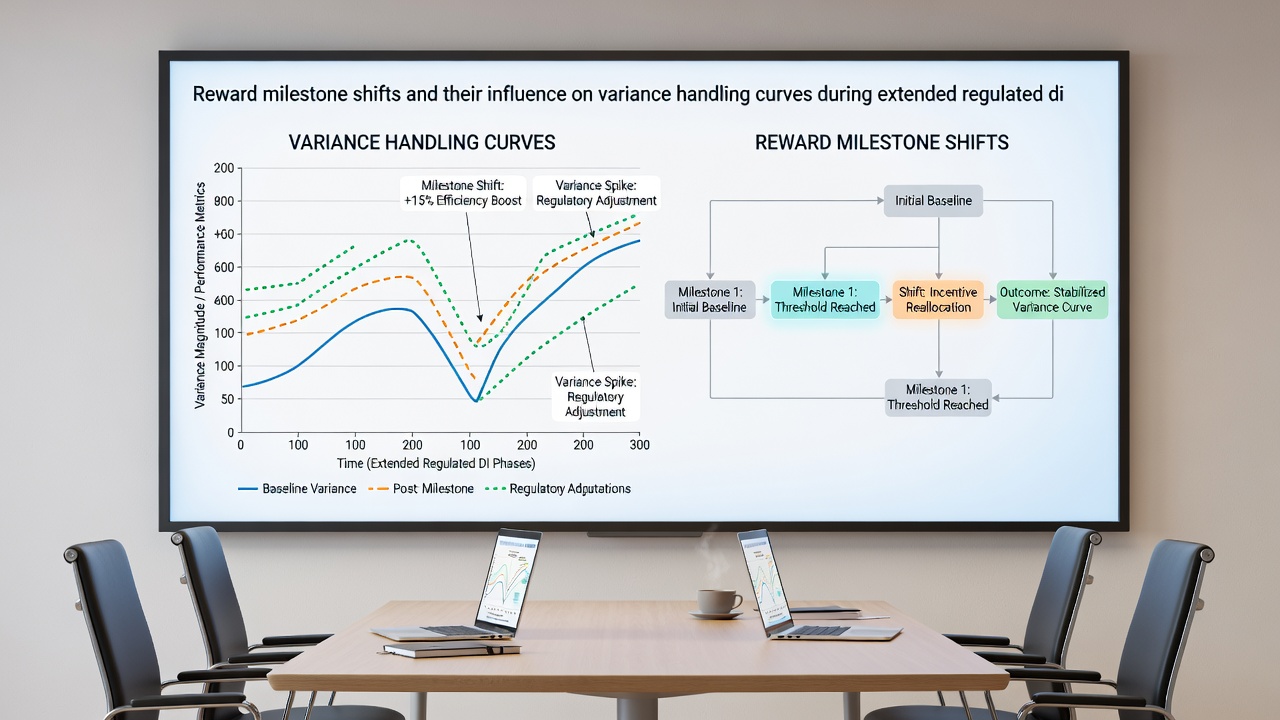
What's interesting is how regulatory reporting from Canadian provincial authorities captures similar patterns in August 2026 data releases, where digital operators submitted anonymized session logs showing reduced drawdown frequency after milestone redemptions. Players in these records maintained steadier bet spreads once they secured tier benefits, effectively compressing the upper and lower bounds of potential outcome ranges even as total hands played increased. Industry reports further indicate that platforms incorporate these behavioral signals into their compliance dashboards to ensure responsible gaming thresholds remain aligned with observed variance handling.
Regulatory Context and Platform Variations
Jurisdictions maintain distinct rules around loyalty program transparency, and this regulatory patchwork influences how milestone effects manifest in variance data. European operators under varying national frameworks report that point redemption options tied to live dealer tables produce earlier stabilization in variance curves compared with slots-linked rewards, according to cross-border analyses from research institutions. Those who've examined aggregated logs note that the timing of milestone notifications within the interface itself can accelerate or delay these adjustments by several hands, creating measurable differences in session-level standard deviation.
One documented case from New Jersey Division of Gaming Enforcement filings highlights how operators adjusted notification timing in mid-2026 to moderate rapid bet escalations immediately after tier upgrades. The resulting datasets displayed more gradual variance curve transitions, with fewer extreme outliers in the tails of distribution models. Such modifications align with broader efforts to synchronize reward delivery with statistical risk indicators without restricting player autonomy.
Conclusion
Patterns across regulated markets establish that reward milestone shifts exert consistent pressure on variance handling curves during extended digital twenty-one sessions, and the nature of those pressures depends on tier thresholds, session length, and jurisdictional reporting requirements. Aggregated figures from multiple sources continue to track these interactions as operators refine their systems and regulators monitor compliance metrics through 2026 and beyond.