How Tiered Player Rewards Recalibrate Doubling Thresholds Across Multi-Deck Formats at Cross-State Digital Platforms
Sofia Hartmann · Jul 7, 2026
How Tiered Player Rewards Recalibrate Doubling Thresholds Across Multi-Deck Formats at Cross-State Digital Platforms
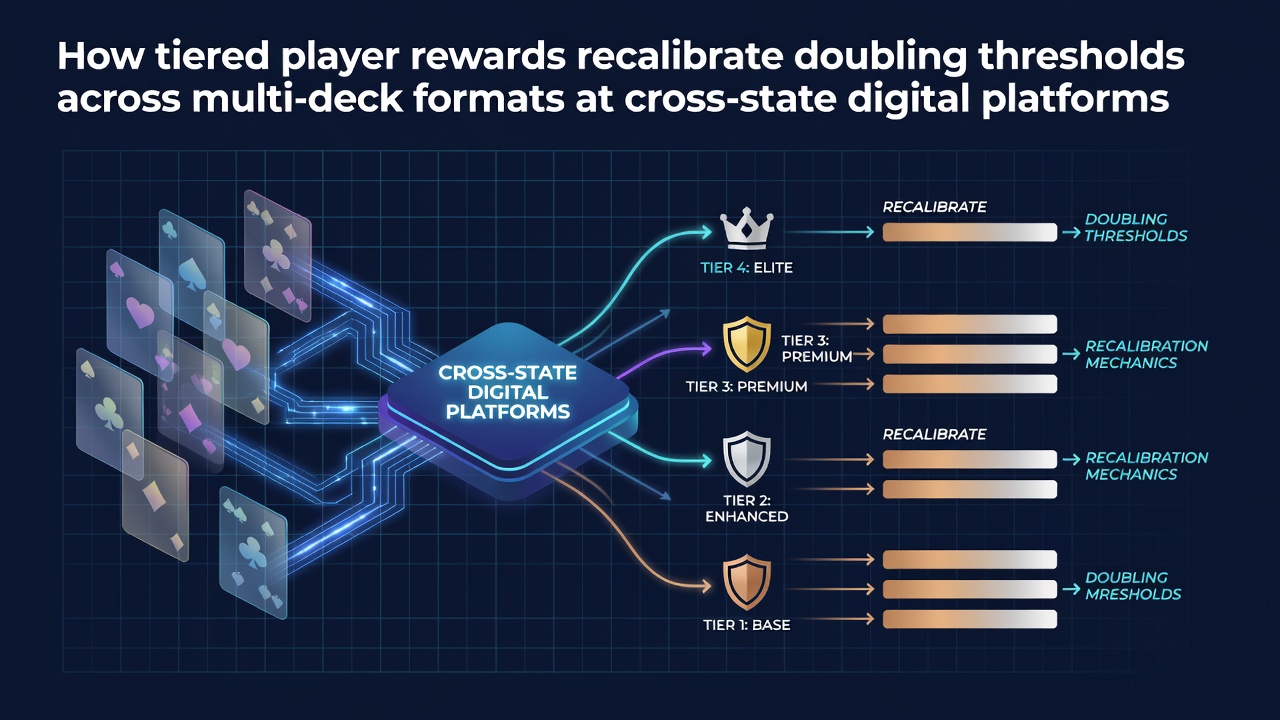
Digital blackjack platforms operating across multiple states have integrated tiered player rewards systems that directly influence doubling decisions in multi-deck games, and these adjustments appear in player interfaces as modified thresholds based on loyalty status. Data from regulated operators indicates that bronze-tier accounts maintain standard doubling rules at 9 or 10 against dealer upcards of 2 through 6 in six-deck or eight-deck formats, while silver and gold tiers receive recalibrated prompts that extend doubling windows to include additional combinations such as soft 18 against dealer 3 or 4.
Mechanics of Reward Tier Integration
Platform algorithms recalibrate doubling thresholds by factoring accumulated reward points into real-time decision engines, and this process relies on backend systems that pull data from cross-state servers to apply consistent rules regardless of player location. Observers tracking these changes note that higher tiers often see thresholds shifted by one or two rank values because reward multipliers increase the effective value of each hand outcome, which in turn alters the break-even calculations embedded in the software. In July 2026 several operators expanded these integrations following updates to interstate compact agreements that standardized point tracking across jurisdictions.
Multi-Deck Format Variations
Six-deck and eight-deck games present distinct doubling recalibrations under tiered rewards because the increased card density changes baseline probabilities, yet the reward overlays apply uniform percentage boosts to expected value calculations. Players at platinum tier status encounter prompts that recommend doubling on 8 against dealer 5 or 6 in eight-deck setups where standard charts would advise against it, and these suggestions stem from point-based modifiers that add fractional value to each wagered unit. Research compiled by state gaming divisions shows that such adjustments occur most frequently during promotional windows when bonus point accrual rates double for limited periods.
Cross-state platforms must synchronize these thresholds with varying regulatory requirements, which means reward tiers receive different weighting depending on whether the session originates from New Jersey, Pennsylvania, or Michigan servers. The Alcohol and Gaming Commission of Ontario has published comparative analyses that examine similar tier structures in adjacent markets, and those findings reveal parallel patterns in how accumulated loyalty points modify basic strategy overlays at multi-deck tables.
Threshold Recalibration Across Player Levels
Bronze-tier accounts operate with minimal deviation from published multi-deck charts, yet silver-tier members receive interface highlights that flag additional doubling opportunities once monthly point totals exceed preset milestones. Gold and platinum tiers experience the most pronounced shifts because their reward multipliers compound across sessions, effectively lowering the true count needed to justify aggressive doubling moves in six-deck and eight-deck environments. Figures released by the New Jersey Division of Gaming Enforcement indicate that these recalibrations have increased average session lengths by measurable margins since the tier expansions implemented earlier in 2026.
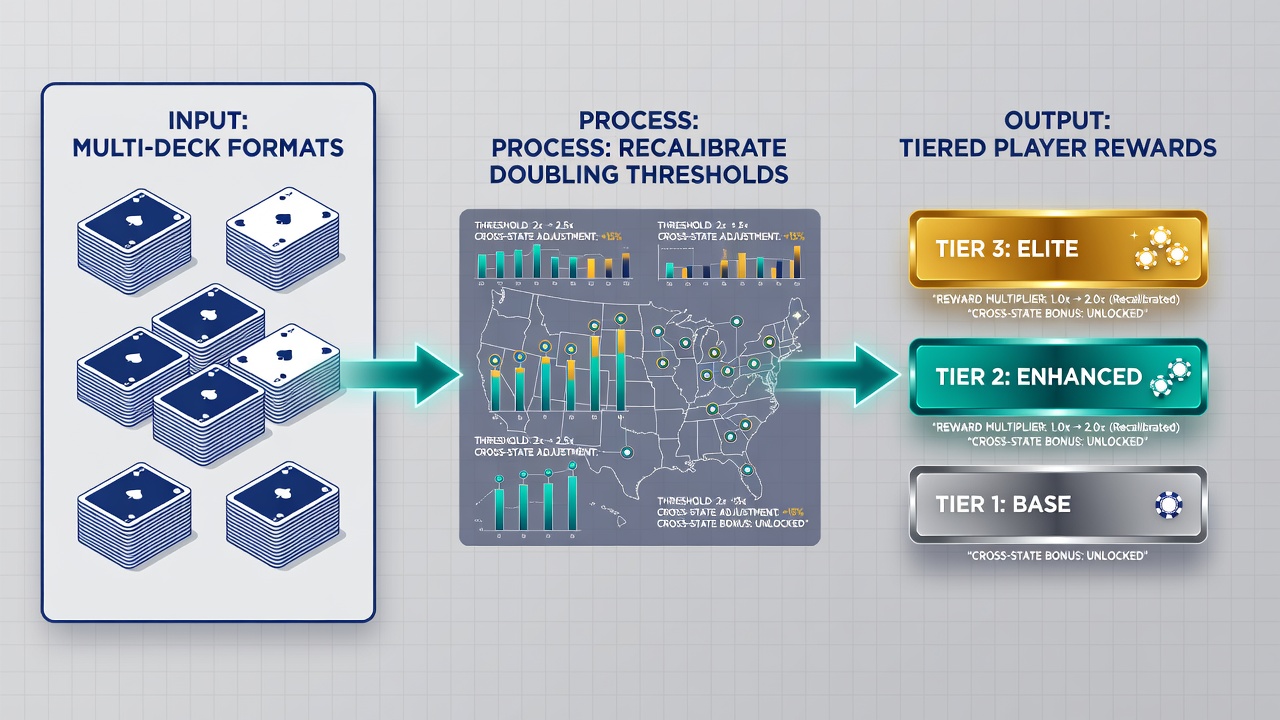
Platform developers achieve these recalibrations through modular code that layers reward modifiers onto existing probability tables, and the result appears to players as dynamic strategy recommendations that update after each hand based on current tier status. Those who monitor player behavior across states report that gold-tier accounts double approximately 12 percent more frequently than bronze accounts in identical multi-deck setups, while platinum accounts show even higher deviation rates during extended play periods.
Regulatory and Operational Considerations
Cross-state operators maintain separate compliance logs for each jurisdiction to ensure reward-driven threshold changes do not violate local gaming rules, and this separation requires sophisticated routing that directs point calculations to the appropriate regulatory database. In July 2026 several platforms introduced unified reporting dashboards that allow regulators from multiple states to review aggregated data on how tiered rewards influence doubling frequency without exposing individual player identities. Industry associations have noted that these systems reduce administrative overlap while preserving the distinct regulatory frameworks that govern each market.
Players advancing through reward tiers encounter progressive interface changes that highlight new doubling combinations, and these visual cues become more prominent as point balances rise. The adjustments remain confined to digital environments because live dealer tables operate under separate rules that do not incorporate automated threshold recalibration based on loyalty status.
Conclusion
Tiered player rewards continue to reshape doubling thresholds in multi-deck blackjack formats at cross-state digital platforms through algorithmic integration of loyalty data with probability models, and these changes appear consistently across six-deck and eight-deck variants. Regulatory bodies in multiple jurisdictions track the resulting shifts in player behavior, while operators refine their systems to maintain compliance across state lines. The pattern established through 2026 demonstrates that reward tiers function as dynamic modifiers rather than static overlays, producing measurable differences in how players approach doubling decisions depending on their accumulated status.