Exploring Temporal Patterns in Incentive Utilization Across Emerging Virtual Gaming Markets
David Schmitz · Aug 13, 2026
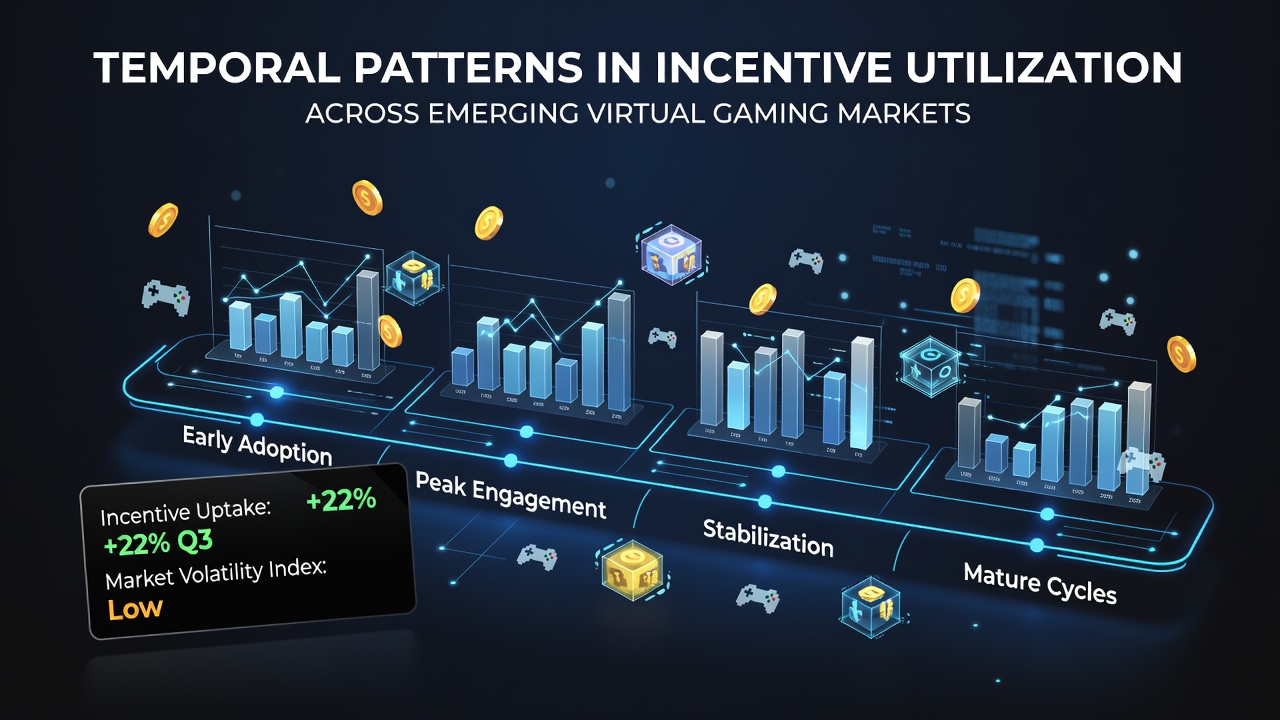
Exploring Temporal Patterns in Incentive Utilization Across Emerging Virtual Gaming Markets
Emerging virtual gaming markets in regions such as Southeast Asia, Latin America, and parts of Africa continue to expand rapidly, with incentive programs playing a central role in user acquisition and retention. These programs include deposit matches, free spins, and loyalty rewards that operators deploy to attract new participants. Data from industry reports show distinct temporal patterns in how users engage with these incentives, influenced by local economic cycles, cultural events, and platform accessibility.
Defining Key Temporal Dimensions in Incentive Use
Analysts track incentive utilization across daily, weekly, monthly, and seasonal intervals to identify recurring behaviors. In markets like Vietnam and Brazil, peak engagement often aligns with evening hours when mobile data usage rises after work periods. Weekly patterns reveal higher activation rates on weekends, whereas midweek periods show steadier but lower volume interactions. Seasonal spikes occur during national holidays and major sporting events, when disposable income and leisure time increase simultaneously.
Data Collection Approaches Across Regions
Research organizations compile datasets from licensed platforms operating in regulated jurisdictions. The Asia-Pacific Gaming Association released findings in early 2026 that highlight how mobile-first markets in Indonesia and Thailand exhibit compressed daily cycles compared to desktop-dominant regions. Academic studies from institutions in Australia further document how time-zone differences affect cross-border participation in virtual environments. These sources emphasize objective metrics such as redemption rates, session duration, and repeat engagement intervals rather than subjective user motivations.
Observed Patterns in August 2026
During August 2026, several emerging platforms reported elevated incentive redemptions tied to back-to-school promotions and pre-harvest economic activity in agricultural economies. Figures from the Latin American Online Gaming Council indicate that Brazilian users increased weekly logins by measurable margins during this period, with many completing incentive requirements within the first 48 hours of activation. In contrast, Southeast Asian markets displayed more distributed patterns, spreading utilization across the full month due to staggered regional festivals. Such variations underscore how external calendars shape engagement timelines without altering overall volume trends.
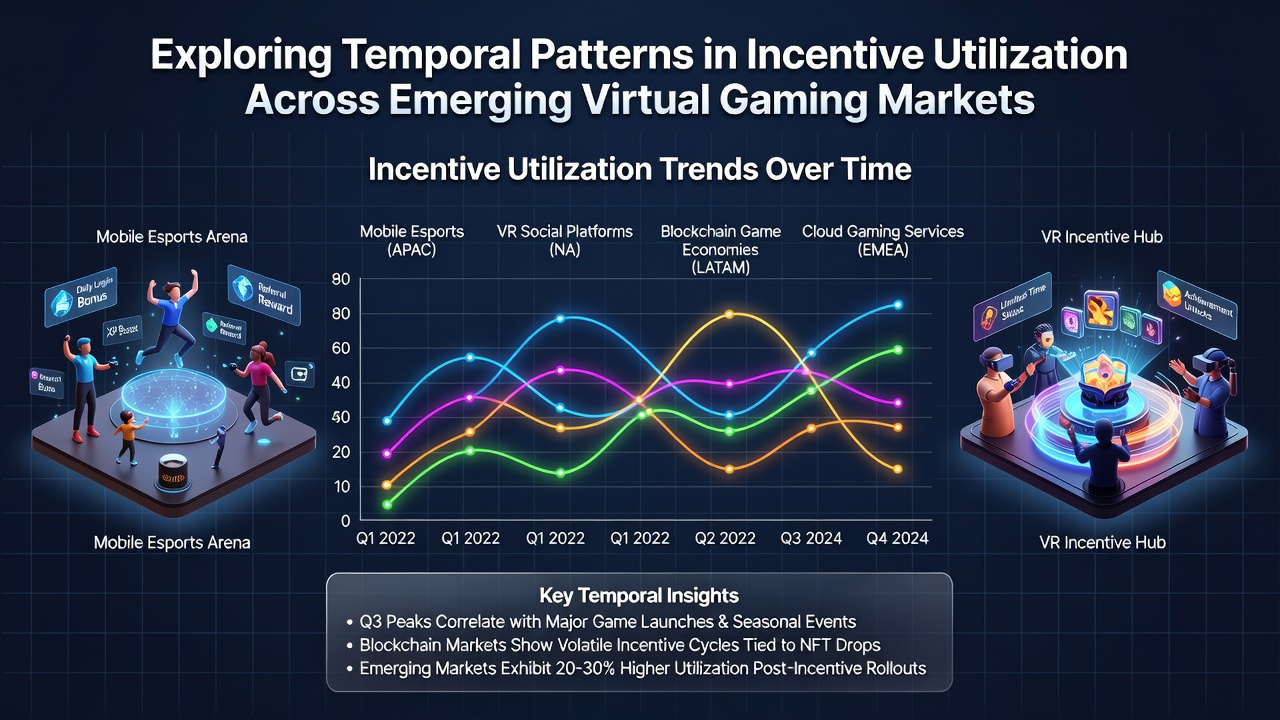
Platforms adjust incentive structures based on these temporal insights. Shorter-duration offers, such as 24-hour windows, tend to concentrate activity in the first few hours after distribution, while extended campaigns maintain steadier flows over multiple days. Operators in regulated African markets, including those monitored by the South African National Gambling Board, note that aligning offer expirations with local pay cycles produces more consistent redemption curves.
Comparative Regional Analysis
Comparative studies reveal differences between mature and emerging environments. Markets with established infrastructure demonstrate flatter daily curves, while newer jurisdictions show sharper peaks around promotional launches. A 2025 report issued by the Canadian Institute for Gaming Research examined parallels with Latin American data and found that incentive stacking behaviors intensify during periods of economic stability. These observations remain grounded in transaction logs and do not extend to causal interpretations.
Cross-border regulatory variations also influence timing. Jurisdictions that impose strict verification timelines often see delayed incentive uptake, whereas those permitting faster onboarding record quicker initial redemptions. The European Gaming and Betting Association has tracked similar dynamics in Eastern European expansion zones, noting consistent monthly periodicity tied to salary disbursement dates.
Methodological Considerations for Future Tracking
Continued monitoring requires standardized time-stamped datasets that account for local holidays, currency fluctuations, and network availability. Analysts recommend integrating weather and connectivity data to refine temporal models, since disruptions in rural areas can shift utilization windows. Research published through university partnerships in Singapore has outlined frameworks for clustering user cohorts by activation velocity, allowing platforms to segment offers without relying on individual identifiers.
Conclusion
Temporal patterns in incentive utilization across emerging virtual gaming markets reflect measurable interactions between platform design, regional calendars, and economic rhythms. Data compiled through 2026 demonstrate consistent daily and seasonal structures that operators can reference when structuring programs. These patterns remain observable through aggregated metrics supplied by regulatory bodies and research institutions operating in diverse geographic contexts. Continued collection of time-based data supports precise alignment between offer availability and user activity cycles.