Decoding Regional Regulatory Twists That Shape Blackjack Promotion Availability in Emerging Markets
David Schmitz · May 19, 2026
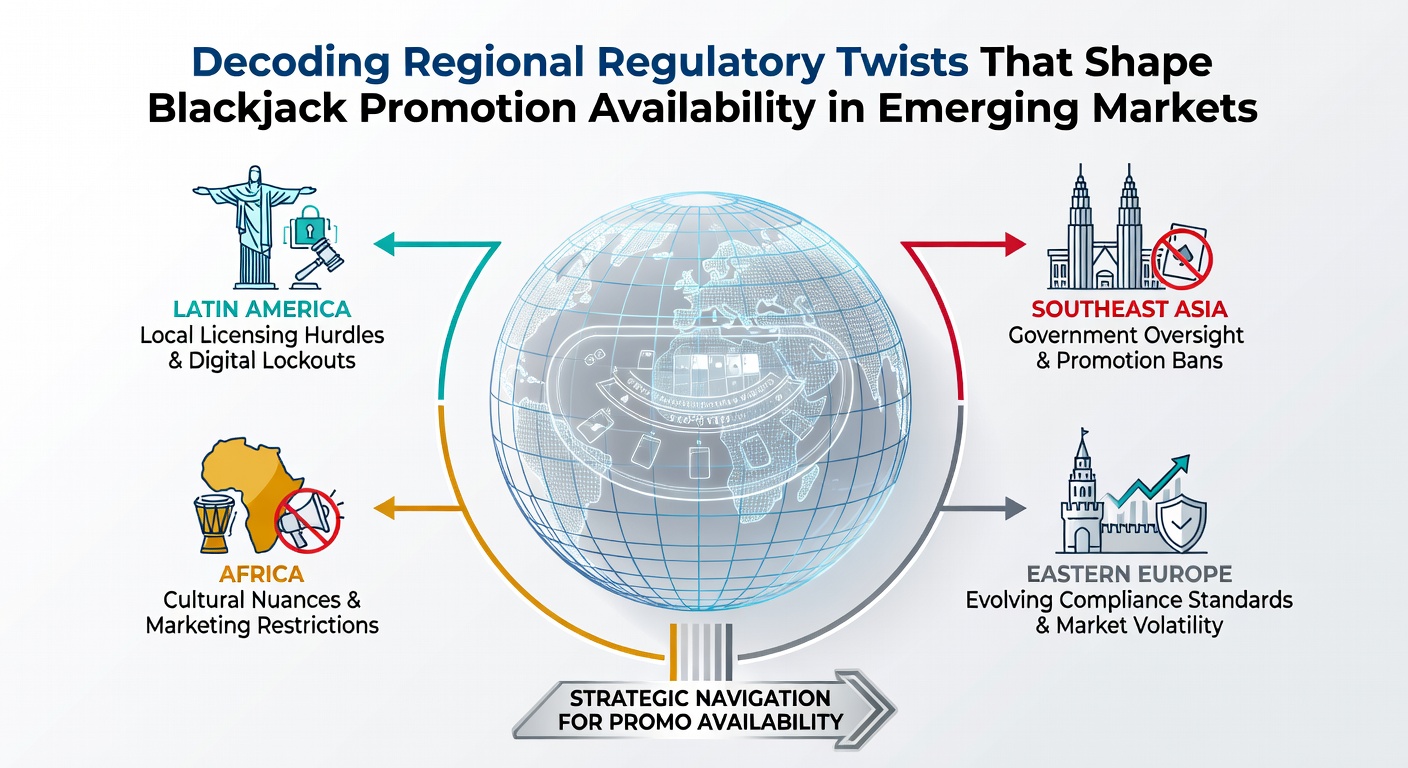
Decoding Regional Regulatory Twists That Shape Blackjack Promotion Availability in Emerging Markets
Regional regulations continue to determine how operators structure blackjack promotions in markets where online gaming expands rapidly, and these rules often differ sharply from one jurisdiction to the next. Observers note that licensing requirements, bonus caps, and player verification standards create distinct availability patterns that shift month to month, particularly when new statutes take effect in May 2026.
In Latin America several countries adjust their frameworks at different speeds, and Brazil stands out because its federal gaming law now permits licensed platforms to offer deposit-match incentives for blackjack tables provided the bonus percentage stays below 150 percent. Data from the Brazilian gaming authority shows that operators must also route all promotional funds through segregated accounts, which reduces the number of no-deposit offers that appear in that market. Meanwhile Argentina maintains provincial licensing, so blackjack bonuses vary from province to province; Buenos Aires permits cashback rewards tied to live-dealer play, yet Cordoba caps total bonus value at 500 pesos per player each month.
Latin American Licensing Patterns
Colombia’s Coljuegos agency requires operators to submit promotional plans for prior approval, and this step delays the launch of new blackjack campaigns by an average of six weeks. Those who study the filings observe that approved offers frequently include time-limited free-play credits rather than cashable bonuses, because regulators favor structures that limit direct cash withdrawal risks. Peru follows a similar pre-approval route yet allows higher bonus percentages when operators demonstrate responsible-gaming tools such as deposit limits and session reminders.
Across Southeast Asia regulatory approaches range from outright prohibition to conditional tolerance, and the differences directly affect which promotions reach players. Vietnam’s pilot program, extended through 2026, authorizes only two state-linked platforms to distribute any form of blackjack incentive, and these offers must carry a 30-times wagering requirement. In contrast Thailand’s new entertainment-complex legislation, effective May 2026, opens limited online blackjack access inside designated zones and permits operators to advertise match bonuses up to 100 percent provided the funds remain non-withdrawable until players complete 25 times the bonus amount in table play.
Southeast Asian Policy Shifts
Malaysia’s federal-state division creates another layer of complexity because online blackjack promotions fall under state jurisdiction in some regions while federal rules govern others. Industry reports indicate that operators often restrict bonus codes to players located inside approved states to avoid cross-border compliance issues. The Philippines, through its PAGCOR licensing system, allows broader promotional freedom yet requires monthly disclosure of all active blackjack offers, and this transparency requirement has led several operators to standardize their bonus structures across the region.
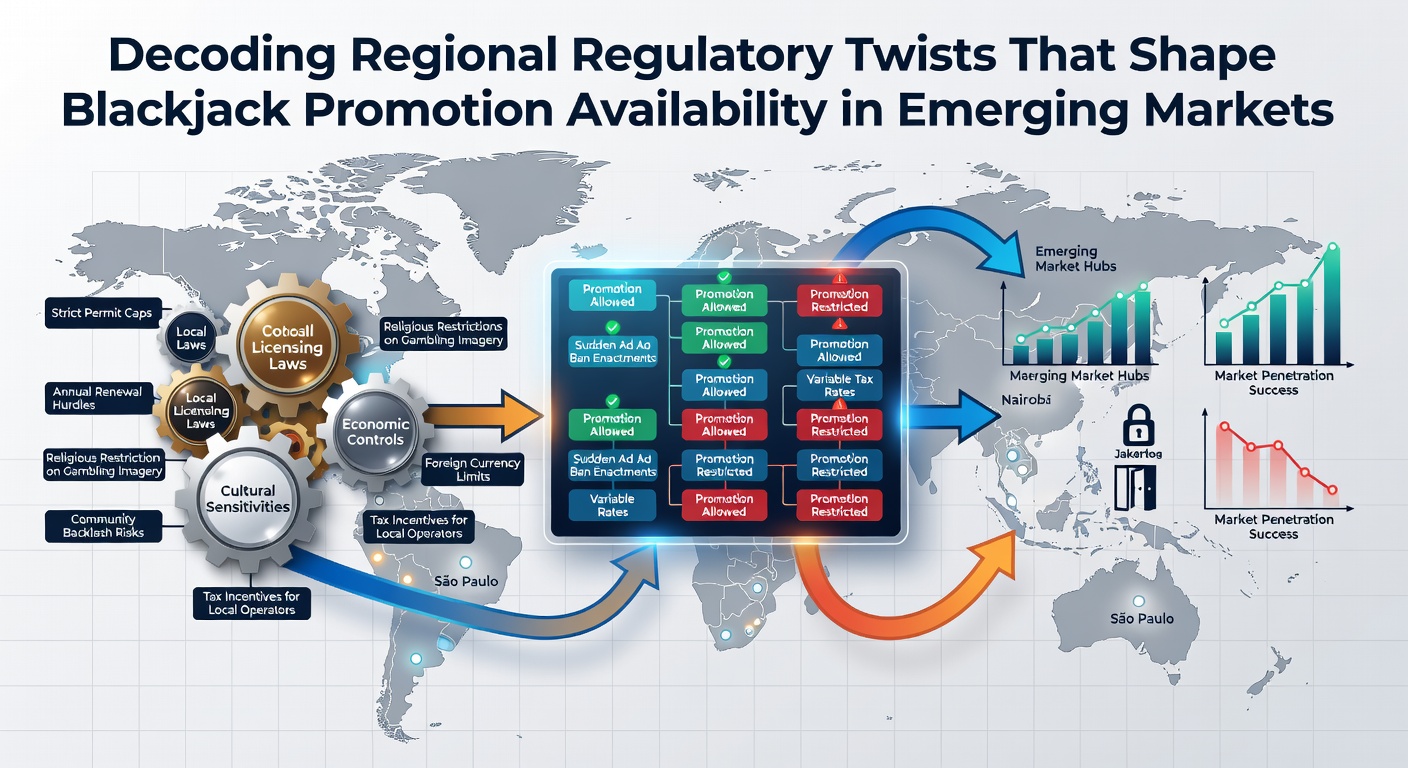
African markets add further variety because emerging regulatory bodies often borrow elements from both European and Asian models. South Africa’s National Gambling Board updated its online rules in early 2026 to require that any blackjack bonus must include a clear statement of the house edge, and this disclosure must appear before a player can claim the offer. Kenya’s Betting Control and Licensing Board imposes a 10-percent turnover tax on all promotional credits, which discourages operators from running high-value deposit matches. Nigeria’s state-level approvals create a patchwork where some provinces permit free spins convertible to blackjack chips while others restrict incentives to cash deposits only.
African Regulatory Developments
Research from the African Gaming Association reveals that operators adapt by geo-blocking certain promotions or by routing offers through white-label brands that hold multiple licenses. Those adaptations keep blackjack bonuses visible to players yet ensure compliance with the strictest local rule in each province. Eastern European emerging markets follow a different trajectory because several countries align their rules with EU directives even before full membership, and this alignment produces more uniform bonus structures than seen in Latin America or Africa.
Georgia, for example, caps welcome bonuses at 500 GEL and mandates a 20-times wagering requirement for blackjack play, while Serbia requires operators to display remaining wagering progress in real time. These standardized elements make promotions easier to compare across borders yet reduce the creative freedom operators enjoy in less harmonized regions. Industry analysts tracking May 2026 changes note that several Eastern European regulators plan to introduce mandatory cooling-off periods after bonus claims, which will further shape how frequently players can access new blackjack offers.
Impact on Promotion Design
Operators respond to these regional twists by building modular bonus engines that adjust terms according to player location. A single platform may present a 200-percent match in one market and a 50-percent match wth lower wagering in another, all driven by automated compliance checks. Data from the European Gaming and Betting Association shows that such localization increases operational costs yet improves retention because players encounter offers that match local expectations.
Player verification rules also influence availability because many emerging regulators now demand proof of address before any bonus can be credited. This step delays first-time claims by 24 to 72 hours in markets such as Vietnam and Kenya, prompting operators to introduce low-value instant bonuses that require no verification to maintain engagement while full checks complete.
Conclusion
Regional regulatory twists therefore determine not only whether blackjack promotions appear but also their size, structure, and accessibility timeline. As new rules take hold in May 2026 across Latin America, Southeast Asia, and Africa, operators continue to refine geo-specific engines that balance compliance with player appeal. Observers tracking these developments expect further adjustments once additional jurisdictions publish updated guidelines later in the year, and the resulting landscape will likely remain fragmented yet increasingly transparent for players who understand each market’s specific constraints.