Cross-Border Regulatory Variations Shaping Introductory Offers for Live-Streamed Blackjack Tables
Jakob Schmitz · Jun 4, 2026

Cross-Border Regulatory Variations Shaping Introductory Offers for Live-Streamed Blackjack Tables
Live-streamed card table experiences operate under layers of licensing rules that shift from one region to the next, and those differences directly determine when operators can roll out welcome bonuses along with how those bonuses are constructed. In markets where multiple regulators oversee remote gambling, companies must align promotional calendars with approval cycles that rarely coincide.
Operators targeting players across state lines in the United States encounter staggered launch windows because each gaming control board maintains its own review timeline for bonus mechanics. A welcome package cleared in one jurisdiction may still await sign-off in a neighboring state months later, forcing staggered rollouts rather than simultaneous global campaigns.
Timing Pressures Created by Approval Cycles
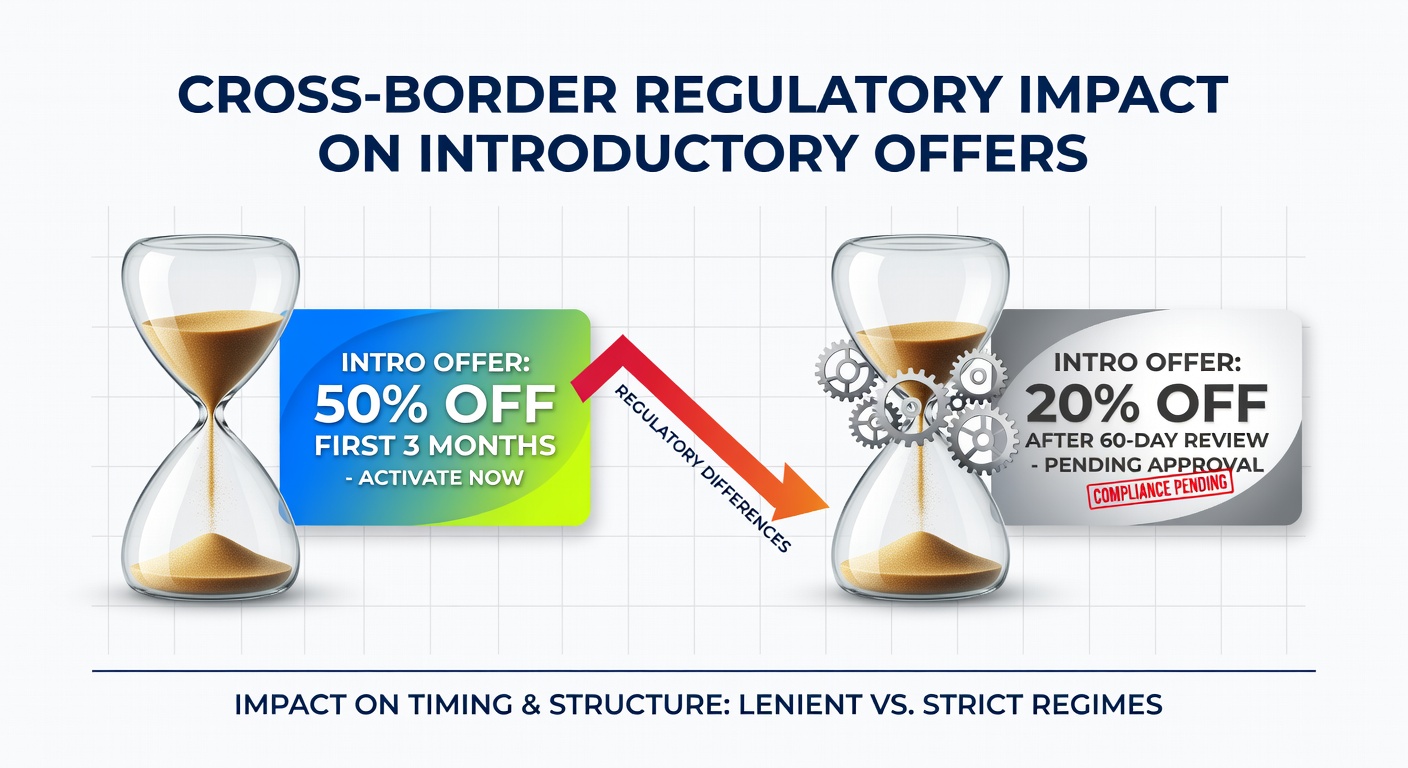
European Union member states apply the principle of mutual recognition in some areas yet retain distinct advertising codes that affect bonus disclosure requirements. Operators therefore schedule introductory offers to coincide with the slowest-moving jurisdiction in their target list, delaying activation until every required body has completed its assessment. This coordination extends average lead times from four weeks in single-market launches to twelve weeks when campaigns span three or more regulatory zones.
Canadian provincial regulators publish updated technical standards at irregular intervals, and each revision can trigger fresh compliance checks for bonus structures. Platforms that stream live dealer tables from studios located in one province must still satisfy the rules of every province where players may register, creating a patchwork of effective dates for the same promotional offer.
Structural Adjustments Across Jurisdictions
Bonus structures adapt to local restrictions on wager multipliers and game contribution percentages. In regions that cap the maximum bet allowed during bonus play, operators reduce the advertised match percentage or introduce tiered release schedules that unlock larger amounts only after initial wagering thresholds are met. These modifications appear in the fine print presented to players at registration.
Some Asian markets prohibit bonuses from contributing toward progressive jackpot pools, prompting operators to carve out separate prize pools or exclude live blackjack tables from jackpot eligibility when the offer is promoted in those territories. The same live stream may therefore carry different bonus terms depending on the viewer's registered location.
Case Examples from 2026 Operations
By June 2026 several major platforms had introduced location-based bonus engines that detect a player's licensing jurisdiction at signup and automatically apply the corresponding offer template. The technology reduces manual overrides but still requires ongoing updates whenever any participating regulator amends its advertising guidelines.
According to data released by the American Gaming Association, interstate compacts under discussion in 2026 aim to harmonize certain promotional standards, yet full implementation remains years away. Until then, operators continue to maintain separate compliance teams for each active market.
Technology and Compliance Overlap
Geo-fencing systems paired with player account management software now flag accounts that cross regulatory boundaries during active bonus periods. When such movement occurs, the system may pause bonus wagering or convert remaining credits to cash balance according to the stricter rule set. These automated responses prevent inadvertent violations while preserving the integrity of each jurisdiction's framework.
Industry reports from the Canadian Gaming Association indicate that cross-border operators allocate between 15 and 20 percent of promotional budgets to legal review and localization, a figure that has risen steadily since 2023 as live-streamed offerings expanded.
Conclusion
Cross-border regulatory differences continue to dictate both the calendar and the architecture of introductory offers for live-streamed card table experiences. Operators respond by building flexible systems that detect location, apply jurisdiction-specific rules, and schedule releases around the longest approval queue in their operational footprint. The result is a fragmented yet functional landscape where the same live stream can present distinct welcome structures to players based solely on the regulatory environment tied to their account registration.