Credit Timeline Effects on Strategic Adjustments in Multi-Table Blackjack Formats at Regulated Digital Sites
David Schmitz · Jun 9, 2026
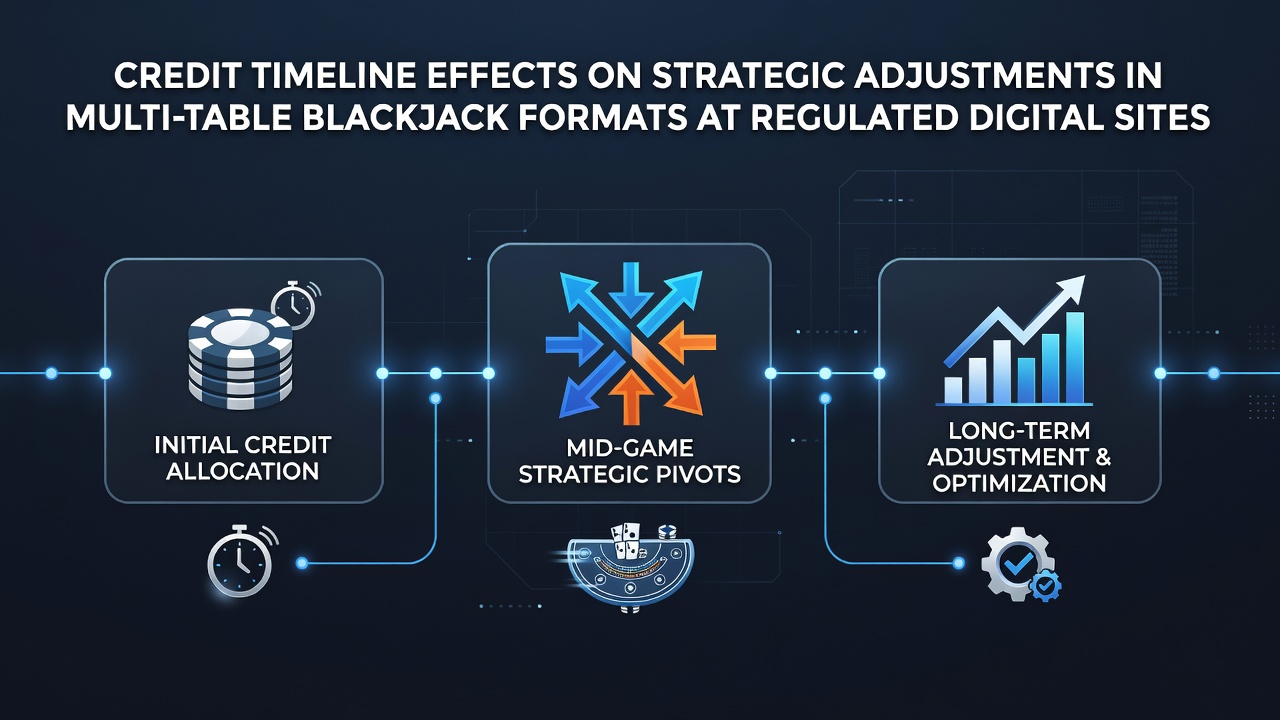
Credit Timeline Effects on Strategic Adjustments in Multi-Table Blackjack Formats at Regulated Digital Sites
Regulated digital sites have expanded multi-table blackjack options where players manage several hands simultaneously and credit timelines shape how those sessions unfold. These timelines refer to the activation windows, expiration dates, and usage conditions attached to promotional credits or bonus balances that platforms issue to users. Observers note that players adjust their decision-making processes based on how much time remains before those credits lose value, which creates measurable shifts in betting patterns and hand selections across concurrent tables.
Credit Timeline Structures in Licensed Environments
Platforms operating under state and provincial oversight typically define credit timelines through specific parameters that include deposit match periods, play-through windows, and final expiration points. Data from June 2026 shows that many regulated operators set these periods between 7 and 30 days for standard promotions while offering shorter 24-hour windows for time-limited incentives. The Nevada Gaming Control Board has documented how these structures appear in compliance reports filed by licensed operators, revealing consistent patterns in how credits must be activated before they become usable across multiple tables.
Multi-table formats add another layer because players distribute credit balances across separate sessions running at the same time. One table might feature higher minimum bets while another allows smaller wagers, so users often allocate portions of available credits according to remaining timeline length. Researchers at academic institutions studying online gaming behavior have tracked how shorter timelines push participants toward quicker resolution of hands, whereas longer windows permit more measured distribution of risk across tables.
Strategic Shifts Triggered by Remaining Credit Duration
When credit timelines near their end, participants frequently modify core elements of their approach. Early in a timeline cycle, players tend to spread smaller bets across tables to meet wagering thresholds gradually. As expiration approaches, those same individuals consolidate activity onto fewer tables or increase wager sizes to maximize remaining credit value before it disappears. Industry reports indicate these adjustments occur more frequently in multi-table setups because simultaneous play accelerates the rate at which credits are consumed.
Basic strategy charts remain the foundation at regulated sites, yet timeline pressure influences deviations from those charts. Near expiration, some users choose to double down or split pairs in situations where they might otherwise stand, simply to deploy credits faster. Others reduce table count to focus attention on hands that carry higher potential returns within the final hours. Such changes appear consistently in session data collected from platforms licensed in multiple jurisdictions.

Regulatory Oversight and Platform Requirements
Licensed operators must maintain transparent records of how credit timelines interact with gameplay mechanics. The New Jersey Division of Gaming Enforcement requires detailed reporting on promotional credit usage, including timestamps that show when players initiate and complete multi-table sessions. Similar requirements exist in other regions, where authorities review whether timeline structures create unintended incentives that affect game integrity.
Platforms respond by implementing automated systems that display remaining credit time across all active tables. These displays help users track deadlines while regulators verify that no automated features encourage play that violates house rules. In June 2026, several operators updated their interfaces to include clearer countdown elements after feedback from oversight bodies emphasized the need for improved user visibility into timeline constraints.
Observed Patterns Across Different Timeline Lengths
Longer credit timelines allow players to experiment with table selection and bet sizing without immediate pressure. Participants often open additional tables during early phases to test various dealer rules or deck counts available at a single site. Shorter timelines correlate with more focused sessions where users limit themselves to two or three tables and apply consistent bet spreads to deplete credits efficiently.
Case studies compiled by gaming research groups illustrate how individual users adapt. One documented example involved a player who maintained six tables during the first half of a 14-day credit window but reduced activity to two tables in the final 48 hours to concentrate remaining credits on higher-yield opportunities. Another pattern showed users switching from low-volatility tables to those with side bet options as deadlines loomed, aiming to accelerate credit consumption through varied wager types.
Conclusion
Credit timelines continue to influence how participants approach multi-table blackjack at regulated digital sites. The combination of simultaneous play and time-bound credits produces distinct strategic adjustments that operators and regulators monitor through detailed session data. As platforms refine their systems and authorities maintain oversight, these interactions remain a central element of how promotional credits function within licensed online environments.