Credit Paths Intersecting with Hand Progression Sequences Across Virtual Card Platforms
Jakob Schmitz · Aug 4, 2026
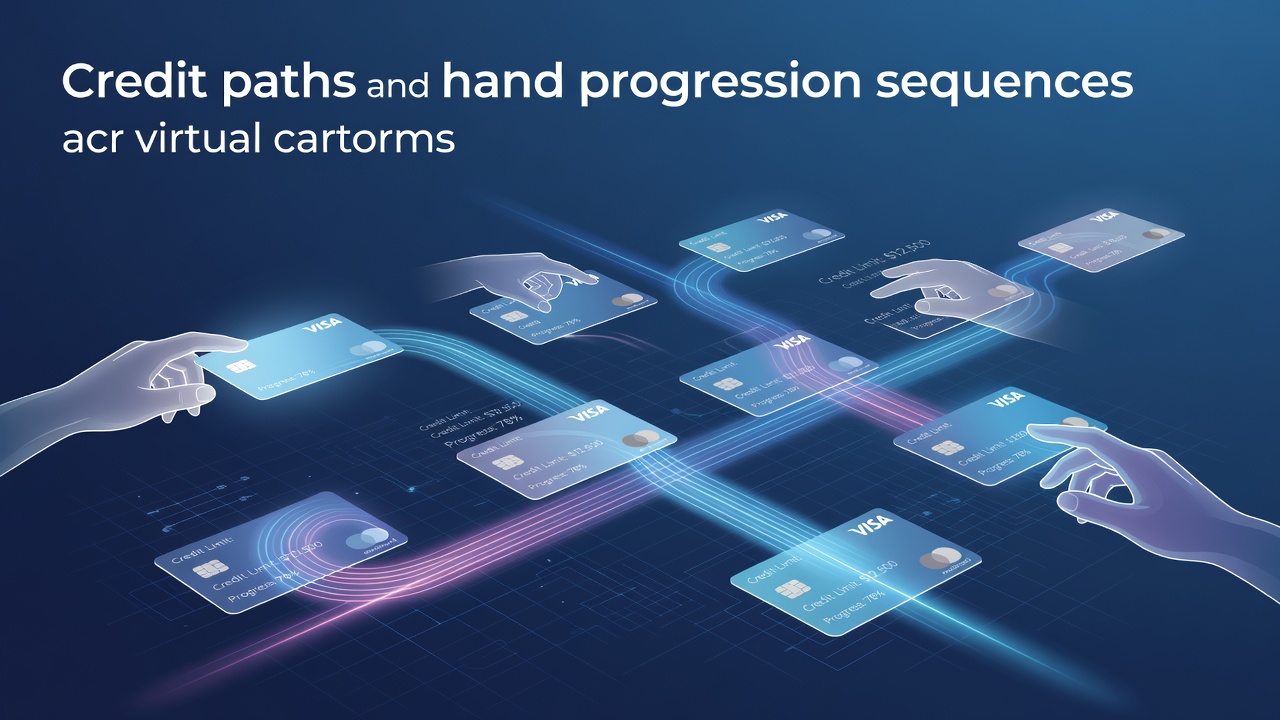
Credit Paths Intersecting with Hand Progression Sequences Across Virtual Card Platforms
Virtual card platforms manage credit allocation through structured paths that often align with sequences of hands during play, creating intersections that shape how balances evolve over multiple rounds. Data from industry reports indicates these systems track deposits, bonuses, and redemptions while players advance through hand progressions in games like blackjack at regulated online sites. Observers note that credit timelines frequently dictate the pace of hand sequences, particularly when promotional funds activate at specific points in a session.
Defining Credit Paths in Digital Environments
Platforms establish credit paths through deposit methods, bonus activations, and wagering flows that convert into playable balances over time. Researchers have documented how these paths intersect with hand progression sequences when players enter multi-round formats where each decision builds on prior outcomes. According to figures from the New Jersey Division of Gaming Enforcement, online blackjack sessions in early 2026 showed increased activity tied to credit releases that occur after certain hand milestones. Platforms route credits through verification stages and expiration windows, which in turn influence whether a player continues a sequence or pauses to manage remaining funds.
Hand Progression Sequences and Their Mechanics
Hand progression sequences refer to the ordered series of decisions players make across consecutive rounds, including splits, doubles, and holds that accumulate toward session totals. Studies reveal these sequences gain complexity when credit paths introduce variable balances at intervals, such as after a deposit clears or a bonus unlocks. Platforms record these interactions through backend logs that capture how available credits shift mid-sequence, affecting choices like insurance bets or progressive wagers. Evidence from platform analytics shows sequences often extend when credits replenish at predictable hand counts, creating measurable patterns in session duration.
Key Intersections Observed in August 2026
During August 2026, virtual platforms reported shifts in credit-hand alignments as seasonal promotions coincided with extended hand sequences in live dealer formats. Analysts tracking these trends found that credit paths tied to loyalty tiers frequently trigger mid-sequence adjustments, where players alter progression strategies once additional funds appear. Platforms use algorithms to synchronize these events, ensuring credits activate without disrupting the flow of hands yet still guiding overall session momentum. Data indicates such intersections appear more often in multi-table environments where parallel sequences draw from shared credit pools.
One documented pattern involves credit paths that release incremental amounts after every fifth or tenth hand, prompting players to adjust their progression toward higher-stakes decisions. Researchers examining platform data noted these releases align with sequence points where risk-reward calculations change, leading to documented increases in hand volume during active credit windows. External monitoring by groups like the Australian Gambling Research Centre has highlighted similar mechanics across international sites, where regional credit regulations shape how sequences unfold without altering core game rules.

Platform Variations and Sequence Impacts
Different virtual card platforms implement credit paths with varying degrees of integration to hand sequences, from automated triggers to manual redemptions that pause play. Those who study these systems observe that single-deck variants often feature tighter intersections because shorter sequences leave less room for credit fluctuations. In contrast, multi-deck and live-streamed tables allow longer progressions where credit paths can intersect at multiple stages, including between shoe shuffles or dealer changes. Reports from Canadian regulatory bodies show platforms in that region emphasize transparent credit timelines to maintain sequence integrity, reducing abrupt halts during active hands.
Platforms also differ in how they handle credit expiration relative to hand counts, with some enforcing limits that cut sequences short while others extend windows to accommodate progression goals. Analysts compiling August 2026 metrics found correlations between credit path length and average hands completed per session, particularly when bonuses apply across parallel tables. These intersections create data points that operators use to refine platform interfaces, ensuring credit displays update seamlessly alongside hand histories.
Regulatory Context Shaping These Dynamics
Regulations across jurisdictions influence how credit paths connect with hand sequences by setting standards for bonus transparency and session tracking. Authorities in multiple regions require platforms to log intersections clearly, allowing audits that verify fair progression without hidden credit barriers. Industry associations have compiled reports showing consistent patterns where credit releases follow hand milestones, a practice that aligns with compliance needs while supporting player continuity. External sources such as the Malta Gaming Authority have issued guidelines on these alignments, noting their role in maintaining orderly virtual environments.
Conclusion
Credit paths and hand progression sequences continue to intersect across virtual card platforms through structured mechanisms that track balances alongside play sequences. Platform data from August 2026 and prior periods demonstrates measurable alignments that affect session length and decision points without altering game fundamentals. Observers tracking these systems report ongoing refinements as operators adapt to regulatory expectations and player patterns in regulated markets.