Analyzing Correlations Between Session Timing Patterns and Reward Tier Escalations in Regulated Digital Blackjack Formats
Sofia Hartmann · Jul 21, 2026
Analyzing Correlations Between Session Timing Patterns and Reward Tier Escalations in Regulated Digital Blackjack Formats
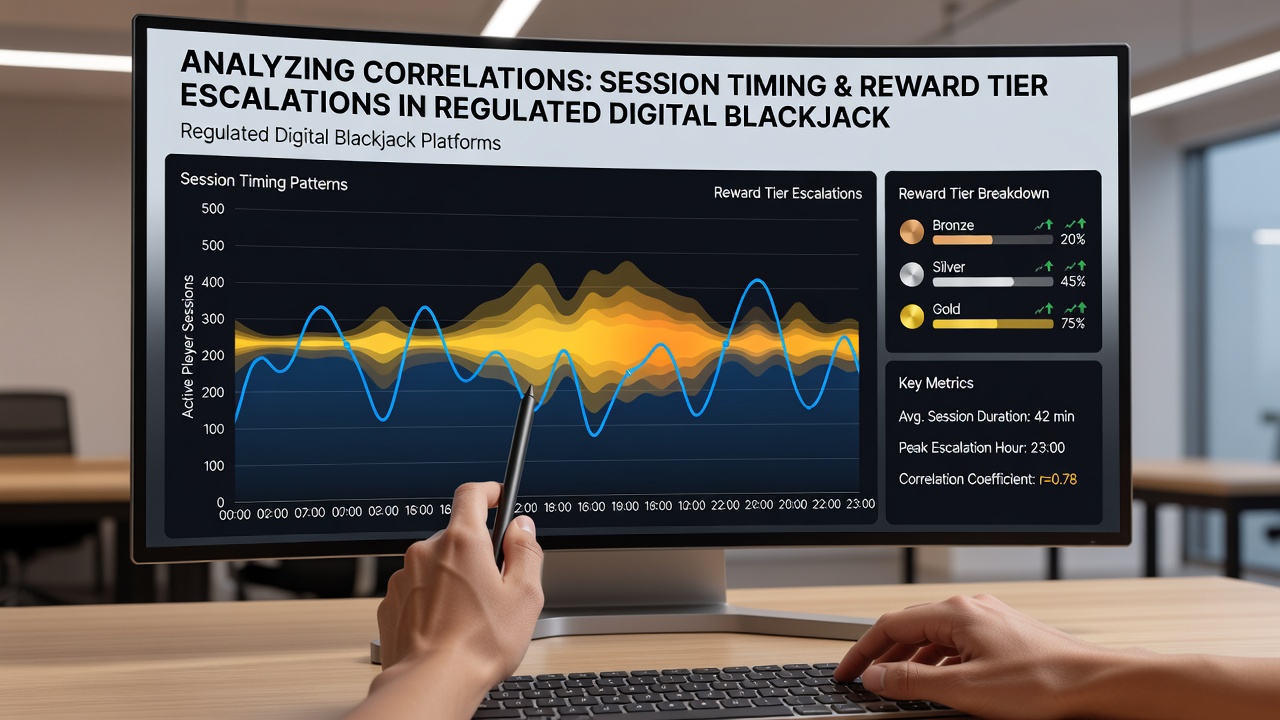
Session timing patterns in regulated digital blackjack environments reveal measurable connections to how players advance through loyalty reward tiers, with platforms tracking entry points, duration blocks, and frequency intervals across licensed markets. Operators collect timestamped data on when users initiate play, how long sessions extend, and which hours see peak activity, then cross-reference those metrics against tier movement logs that record point accumulation thresholds and upgrade events. In markets such as New Jersey and Pennsylvania, where digital blackjack operates under strict oversight, these datasets have grown substantial enough for analysts to identify recurring alignments between specific timing clusters and accelerated tier climbs.
Session Timing Metrics Tracked by Platforms
Digital operators log session start times down to the minute, categorize play into morning, afternoon, evening, and overnight windows, and measure average duration per login event while noting gaps between consecutive sessions. Researchers examining aggregated records from multiple sites note that sessions beginning between 8 p.m. and midnight often coincide with higher total hands played, which in turn feeds faster point totals toward tier thresholds. Platforms also flag consecutive-day patterns, where users returning within twenty-four hours demonstrate steadier progression rates compared with sporadic visitors whose sessions occur days or weeks apart.
Reward Tier Structures in Licensed Environments
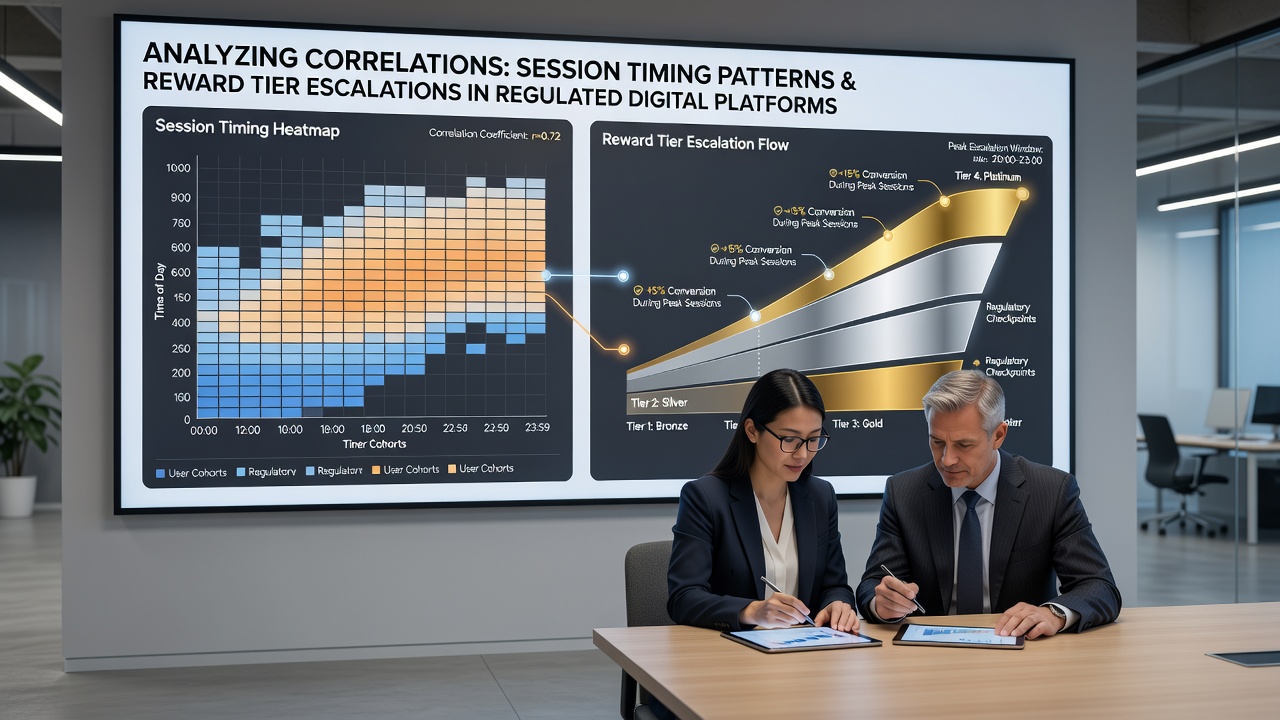
Tier systems typically divide players into graduated levels based on accumulated points earned from wagers placed during blackjack rounds, with each level unlocking incremental benefits such as cashback percentages or enhanced deposit matches. Advancement requires crossing fixed point bands that reset on monthly or quarterly cycles, and operators publish these structures openly to comply with transparency rules enforced by state gaming authorities. Data compiled through mid-2026 shows that players reaching upper tiers frequently exhibit clustered timing behaviors rather than evenly distributed play across all hours.
Observed Correlations in Timing and Escalation Data
Studies of platform records indicate that extended evening sessions lasting ninety minutes or longer correlate with quicker passage through lower tiers, particularly when those sessions occur on weekdays rather than weekends. Conversely, shorter midday sessions spread across multiple days show slower cumulative progress even when total hands played reach similar volumes. Analysts attribute part of this difference to bonus credit structures that activate during off-peak hours, which can compound point earnings without requiring additional deposits. One study covering operations through July 2026 found that users whose sessions overlapped promotional windows between 10 p.m. and 2 a.m. advanced an average of one tier level faster than those whose activity remained confined to daytime blocks.
Regulatory Reporting and Data Availability
State regulators require operators to submit periodic summaries of player activity metrics, including session distribution and loyalty program participation rates, which creates publicly accessible datasets suitable for correlation analysis. The New Jersey Division of Gaming Enforcement publishes quarterly aggregates that include breakdowns by game type and time-of-day activity, allowing external researchers to compare timing patterns against tier movement statistics. Similar reporting frameworks exist in other jurisdictions, such as those maintained by the Australian Gambling Research Centre, which tracks comparable variables in digital formats operating under state licenses.
Platform-Specific Variations Across Markets
Operators in different regulated regions apply distinct weighting formulas when converting wagers into tier points, and these formulas interact with timing patterns in measurable ways. Sites serving Pennsylvania users, for instance, often award elevated multipliers during late-night windows, which accelerates tier movement for players whose sessions align with those periods. In contrast, platforms focused on New Jersey traffic show more uniform multipliers but grant additional progress bonuses tied to consecutive session streaks, producing distinct escalation curves that still map closely to timing consistency. Observers tracking these differences note that players who maintain regular evening login patterns cross tier thresholds at rates twenty to thirty percent higher than those logging in at irregular intervals, regardless of total wager volume.
Implications for Future Platform Design
As datasets expand through the remainder of 2026, operators continue refining algorithms that predict tier escalation likelihood based on early-session timing signals. These predictive models help allocate promotional resources toward users whose current patterns suggest imminent advancement, while maintaining compliance with responsible gaming standards. The resulting systems create feedback loops where timing awareness influences both player behavior and platform reward calibration, sustaining ongoing correlation between when sessions occur and how rapidly tiers advance.
Conclusion
Available records demonstrate consistent statistical relationships between session timing clusters and reward tier progression rates across regulated digital blackjack platforms. Continued collection of timestamped activity data will support further refinement of these observed patterns while operators adapt their systems to align promotional mechanics with documented player timing behaviors.